An ambitious schedule of highway upgrades in and around the Town of Wake Forest has officials at the North Carolina Department of Transportation (NCDOT) working vigorously to keep local residents and businesses apprised of anticipated disruptions.
“Work zones will always create congestion,” says Kim Deaner, NCDOT’s Public Information Officer for Division 5. “NCDOT’s goal is to limit disruption for businesses and residents. That will be our goal throughout the process.”
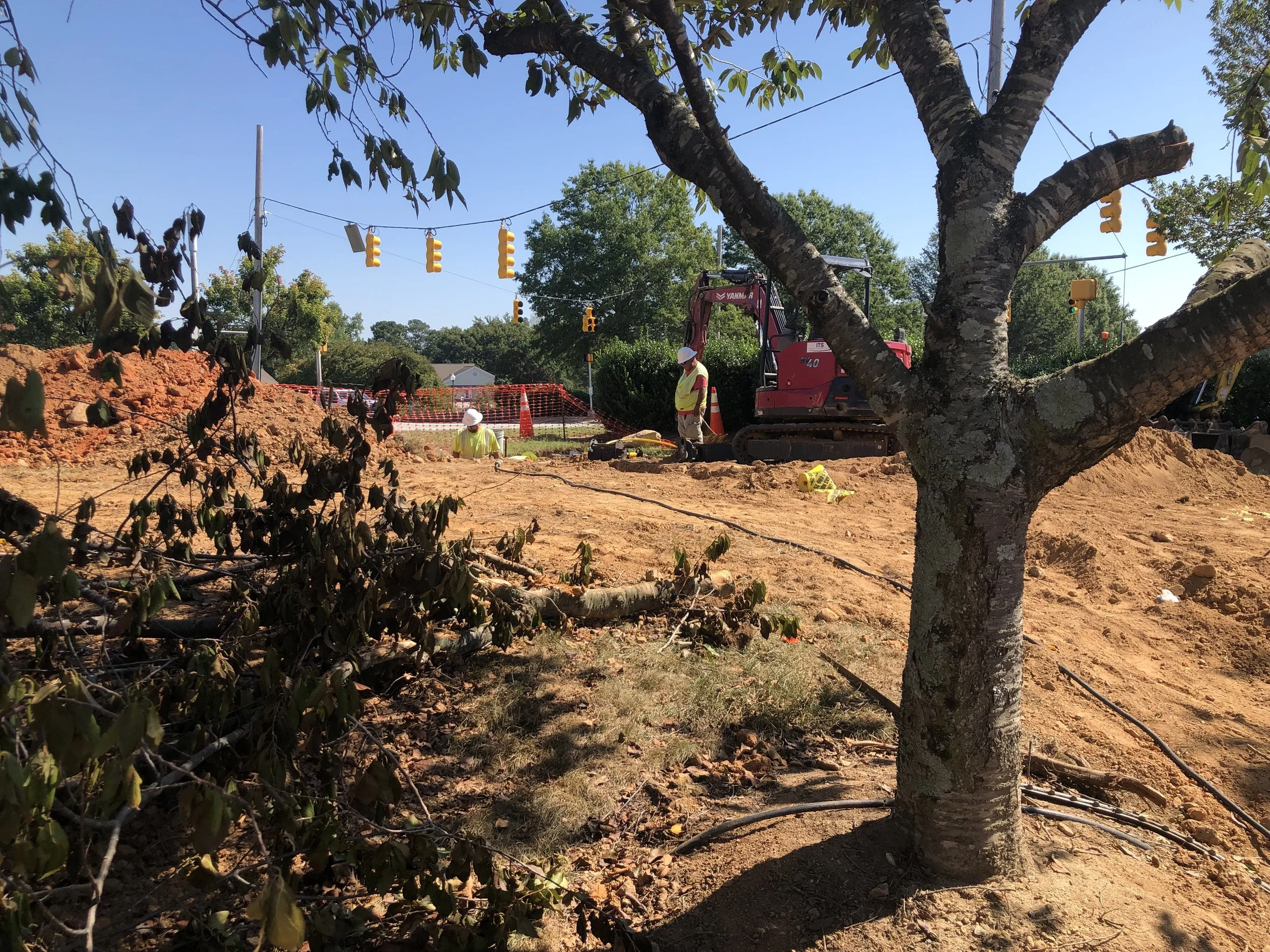
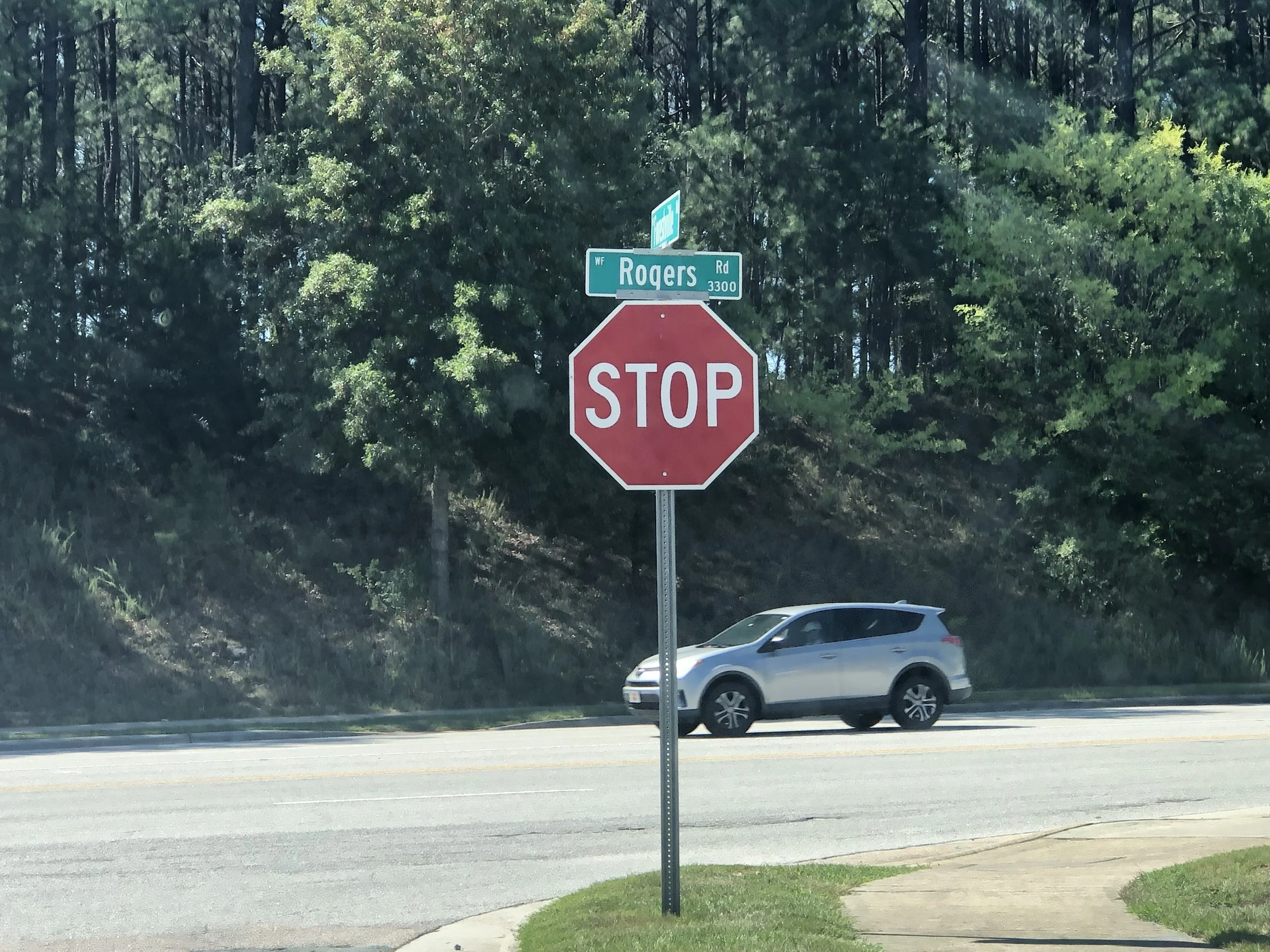
Some motorists have already noticed work along Rogers Road in advance of a $46.2 million “grade separation” project at the CSX rail crossing. In September, crews began utility work in advance of NCDOT’s P-5707, which impacts Rogers Road from Forestville Road to just below South Main Street. The well-traveled commercial corridor includes many businesses, medical offices, and schools. The Rogers Road Grade Separation will ultimately create safer, more reliable passage for vehicle traffic while serving as the first upgrade supporting the S-Line Rail initiative. The new bridge, which replaces the existing “at-grade” crossing, will include 5.5-foot sidewalks on both sides, each with 4-foot buffers from vehicle lanes, significantly improving the area’s walkability.
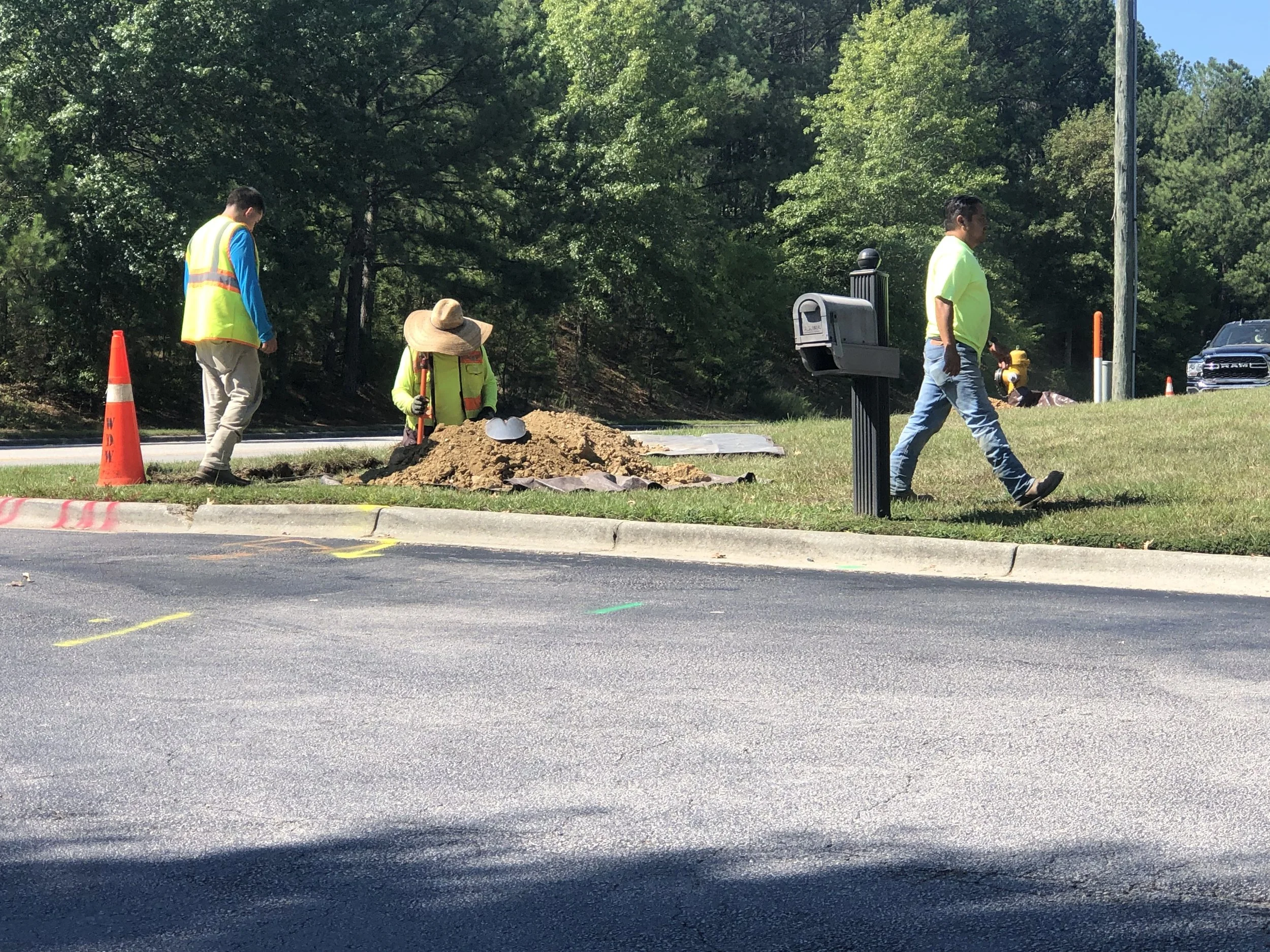
The current work, which centers on the installation of a natural gas line under Rogers Road near Capital Creek Drive, requires lane closures taking place between 9:00 pm and 6:00 am. The state is also working on related storm drainage and utility infrastructure. Otherwise, NCDOT intends to “let” the project (open it for bids from providers) in October, with contracting taking place over the following two months. Once those tasks are complete, work on the separation project should begin in earnest by January 2027.
P-5707 won’t involve detours for motorists. Instead, NCDOT will create a temporary road adjacent to the construction for local traffic. “That gets done first,” Deaner says. There is currently no timeline for completing the project, she adds. “You just don’t know what’s going to happen with the weather.” As they navigate the construction zone, motorists should use caution, slow down, and allow extra time to reach their destinations.
The result will be far less congestion along one of Wake Forest’s busiest corridors. Key employers in the area include Summit Fire & Security and the Wireless Research Center. Students, parents, staff, and teachers at several schools in the area also rely on Rogers Road, including those at Thales Academy.
The Rogers Road Grade Separation also marks the initial step toward the S-Line passenger rail corridor advancing into Wake Forest. NCDOT is also directing that project, which will provide a high-speed rail connection to Downtown Raleigh and eventually Richmond and return passenger rail service back to Wake Forest after a decades-long absence. Local plans in support of the S-Line include a Downtown Mobility Hub that will boost workforce mobility, enhance tourism development and sharpen business recruitment for the Town. The vision, unveiled in late 2023, is being fueled with a $1.1 billion grant from the U.S. Department of Transportation.
“It’s really cool to see these two key projects coming together,” says Jason Cannon, President of the Wake Forest Business & Industry Partnership (WFBIP). “The Rogers Road grade separation is visible, tangible progress for the S-Line, and it will create smoother, safer passage into and out of one of the Town’s most important commercial districts.”
P-5707 and the S-Line initiative also complement the launch of the multi-year project to transform Capital Boulevard into a limited-access expressway from I-540 in North Raleigh through Wake Forest to the Franklin County line. That effort, known as U-5307, is fully funded through NCDOT’s State Transportation Improvement Plan (“STIP”), with initial geotechnical work, design, and right-of-way acquisition efforts with some property owners already underway. Construction on the first two of four phases will begin in 2031. Phase A stretches from I-540 to Durant and Perry Creek Roads. Phase B will link that section to Burlington Mills Road.
“It’s long overdue,” says Cannon, noting that state and Town leaders first began discussing upgrading Capital Boulevard to an expressway more than 20 years ago. The key thoroughfare won’t carry a federal Interstate shield but will be similar to the high-speed stretch of U.S. 1 from Raleigh to Apex. “Even though construction won’t begin until 2031, I’m confident that the transformed corridor will enhance the connections Wake Forest needs with regional and statewide economic assets,” he says.
Motorists along Capital Boulevard may already notice geotech work taking place from I-540 to Burlington Mills Road (Phases A and B), including assessment not just of soils but existing pavement conditions. Next up will be relocating utilities. “These are big things that need to be done prior to construction, and we’re already doing those,” says NCDOT’s Deaner, who is a resident of Wake Forest.
Design work has not yet begun on Phase C, from Burlington Mills Road to NC Highway 98, and Phase D, from Highway 98 to Purnell and Harris roads. Property acquisition on those phases will begin in late 2027, with construction expected to commence in 2033.
The new expressway will be six lanes with service roads on either side for access to homes and businesses. Deaner and her colleagues are working on web-based interactive maps highlighting affected properties along the expanded corridor. “The process of acquisition takes up to five years,” she says. “Some people have already been contacted.” A recent news story about U-5307 by CBS-17 found at least one impacted stakeholder supportive of the project.
Vehicles using the newly transformed Capital Boulevard won’t pay a toll. “It is not going to be tolled,” Deaner says. “It is a paid-for project through the STIP.”
As in the case with the Rogers Road grade separation, NCDOT isn’t providing a date certain for completion of the upgrades to Capital Boulevard. But transportation projects occasionally finish ahead of schedule, Deaner points out. The recent creation of a “reduced conflict” intersection on U.S. Highway 401 (i.e., Louisburg Road) at Ligon Mill and Perry Creek Roads was completed this summer one full year ahead of schedule.
Deaner encourages the public to sign up for regular email alerts on P-5707 and U-5307. “We’ll continue to share updates as the project moves through design, property acquisition and eventually construction,” she says.